Agent Driven vs Agent Assisted Antigravity: Unveiling the Future
Discover the differences between agent-driven and agent-assisted antigravity technologies. Learn how SMBs can leverage these innovations for operational efficiency, cost savings, and future growth.
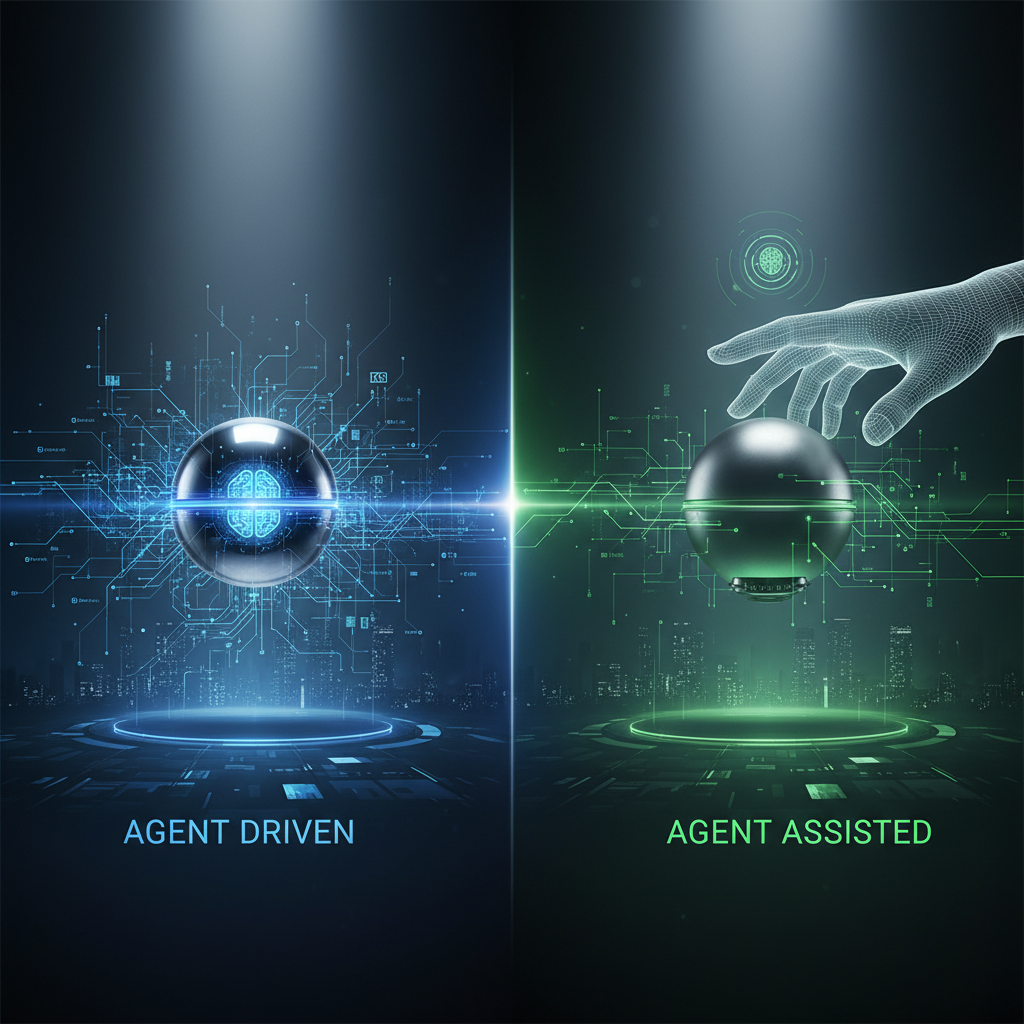
Key Takeaways
- 🤖Agent-driven systems are autonomous AI agents that independently perform tasks, increasing efficiency and scalability.
- 🤖Agent-assisted technology supports human operators by automating routine tasks, enhancing decision-making while maintaining human oversight.
- 💰Agent-driven systems can significantly reduce operational costs for SMBs, up to 30%.
- 🔧Implementing agent-assisted AI involves integrating tools like chatbots and analytics gradually.
- 📊Challenges include data privacy risks and potential job displacement, requiring thoughtful implementation.

Imagine a world where your business operations could defy gravity, metaphorically speaking, by achieving unprecedented efficiency and cost reduction. With the rise of AI, small and medium-sized businesses (SMBs) are increasingly adopting advanced technologies like agent-driven and agent-assisted antigravity systems. This shift in paradigm is not just a futuristic concept but a practical reality—one that can transform how businesses operate and compete in today’s dynamic market. In this article, we delve into the differences between agent-driven and agent-assisted antigravity technologies, exploring their implications, benefits, and potential challenges for SMBs.
Key Takeaways
- Agent-driven systems are autonomous AI agents that independently perform tasks, increasing efficiency and scalability.
- Agent-assisted technology supports human operators by automating routine tasks, enhancing decision-making while maintaining human oversight.
- Agent-driven systems can significantly reduce operational costs for SMBs, up to 30%.
- Implementing agent-assisted AI involves integrating tools like chatbots and analytics gradually.
- Challenges include data privacy risks and potential job displacement, requiring thoughtful implementation.
- Future trends suggest a hybrid approach combining both agent-driven and agent-assisted technologies.
Expert Tip
When integrating antigravity AI technologies in your business, start small. Begin with agent-assisted solutions that can be easily integrated with existing systems, such as chatbots for customer service or predictive analytics for sales forecasting. These tools offer quick wins by automating repetitive tasks, allowing human resources to focus on strategic areas. For instance, a chatbot can handle up to 70% of customer queries, freeing up human agents to tackle more complex inquiries. Similarly, predictive analytics can improve sales forecasting accuracy by 20%, providing more reliable data for decision-making. As your team becomes comfortable with these tools, gradually transition to more autonomous agent-driven systems where applicable.
What Is Agent-Driven Antigravity and How Does It Work?
Agent-driven antigravity systems are fully autonomous AI agents capable of making decisions and executing tasks without human intervention. These systems leverage advanced machine learning models to perform complex operations, offering significant efficiency gains and scalability.
Autonomous Decision-Making
Agent-driven systems utilize algorithms that process large volumes of data, learning patterns and making decisions based on this information. This autonomous decision-making capability allows businesses to automate complex workflows. For example, in supply chain management, agent-driven systems can optimize logistics and inventory decisions, leading to a 35% increase in efficiency as demonstrated by a manufacturing firm source.
Scalability and Efficiency
One of the key advantages of agent-driven systems is their ability to scale operations without proportional increases in cost. By automating tasks that typically require human oversight, these systems can operate continuously, 24/7, without fatigue or error. This makes them ideal for environments where speed and accuracy are paramount, such as financial services and manufacturing.
Understanding Agent-Assisted Antigravity Technology
Agent-assisted antigravity technology involves AI systems that support human operators by automating routine parts of tasks while allowing humans to retain control over critical decision-making processes.
Enhancing Human Capabilities
These systems act as powerful tools that enhance human capabilities rather than replace them. For instance, in customer service, agent-assisted technologies like AI-driven chatbots can handle common queries, reducing response times by 50% and increasing customer satisfaction scores source.
Implementation in SMBs
For SMBs, implementing agent-assisted technology can begin with simple tools like chatbots or predictive analytics. These systems provide immediate benefits by streamlining operations and improving decision-making. As a result, businesses can achieve productivity gains of up to 40% in knowledge work tasks source.
Agent-Driven vs Agent-Assisted Antigravity: A Detailed Comparison
The choice between agent-driven and agent-assisted antigravity systems depends on the specific needs and capabilities of a business.
Efficiency vs. Control
Agent-driven systems offer higher efficiency and scalability, ideal for tasks that require speed and precision. However, they require robust error-handling mechanisms due to their autonomous nature. In contrast, agent-assisted systems prioritize accuracy and ethical considerations, as human operators maintain control over critical decisions.
Cost and Implementation
Agent-driven systems typically require higher initial investments due to their complexity and the need for specialized infrastructure. However, these costs can be offset by significant operational savings—up to 30% source. On the other hand, agent-assisted systems offer a more gradual integration into existing workflows, making them more accessible for SMBs with limited resources.
Benefits of Agent-Driven Antigravity for Small Businesses
Agent-driven antigravity systems can offer numerous benefits for small businesses, particularly in terms of efficiency and cost savings.
Operational Cost Reduction
By automating complex workflows, agent-driven systems can significantly reduce operational costs. SMBs using these technologies report average savings of 25% source, allowing them to allocate resources more effectively.
Enhanced Productivity
With the ability to operate continuously without fatigue, agent-driven systems enhance productivity by ensuring that tasks are completed faster and more accurately. This is particularly beneficial for businesses that operate in competitive markets where speed is essential.
How to Implement Agent-Assisted Antigravity in Your Operations
Implementing agent-assisted antigravity systems in your operations requires careful planning and integration.
Step-by-Step Integration
- Identify Key Areas: Start by identifying areas where automation can have the most significant impact, such as customer service or sales forecasting.
- Choose the Right Tools: Select tools that are compatible with your existing systems, such as AI-driven chatbots or predictive analytics platforms.
- Pilot Programs: Implement pilot programs to test the effectiveness of the chosen tools and gather feedback from users.
- Training and Support: Provide training for your team to ensure they can effectively use the new tools and understand their benefits.
- Scale Gradually: Once the pilot is successful, gradually scale the implementation across other areas of your business.
Challenges and Limitations of Antigravity Agents in SMBs
Despite the benefits, there are challenges and limitations associated with implementing antigravity agents in SMBs.
Data Privacy Concerns
The use of AI and automation raises significant data privacy concerns. Businesses must ensure they have robust data protection measures in place to comply with regulations and protect customer information.
Job Displacement
There is a potential risk of job displacement as AI systems automate tasks traditionally performed by humans. This requires businesses to consider reskilling opportunities for affected employees.
Future Trends in Agent-Driven and Agent-Assisted Antigravity
Looking ahead, the future of antigravity technology in SMBs is likely to be shaped by hybrid models that combine both agent-driven and agent-assisted approaches.
Hybrid Models
Hybrid models offer the best of both worlds by leveraging the efficiency of agent-driven systems and the precision of agent-assisted technologies. These models are expected to become more prevalent as advancements in generative AI enhance agent capabilities.
Generative AI Enhancements
By 2025, generative AI is expected to significantly enhance the capabilities of both agent-driven and agent-assisted systems, further blurring the lines between automation and human oversight source.
Pros and Cons
| Pros | Cons |
|---|---|
| ✅ Increased efficiency and scalability | ❌ High initial setup costs |
| ✅ Continuous 24/7 operation | ❌ Potential job displacement |
| ✅ Significant cost savings | ❌ Data privacy concerns |
| ✅ Enhanced decision-making | ❌ Requires robust error-handling |
| ✅ Supports strategic focus | ❌ Complex integration process |
While agent-driven and agent-assisted technologies offer significant advantages, they also pose challenges that SMBs must navigate carefully. Balancing the benefits and drawbacks requires strategic planning and implementation.
Implementation Checklist
- Identify Automation Potential: Assess areas in your business where automation can provide the most value.
- Select Appropriate Tools: Choose AI tools that align with your business goals and existing systems.
- Develop a Pilot Program: Test the tools in a controlled environment to evaluate their effectiveness.
- Train Staff: Ensure your team understands how to use the new tools and their potential benefits.
- Monitor and Adjust: Continuously monitor the performance of the AI systems and make necessary adjustments.
- Scale Implementation: Gradually expand the use of AI systems across other areas of your business.
- Ensure Data Privacy Compliance: Implement robust data protection measures to safeguard customer information.
- Plan for Reskilling: Develop a plan for reskilling employees who may be affected by automation.
Frequently Asked Questions
Q1: What is the main difference between agent-driven and agent-assisted antigravity?
A: Agent-driven systems are fully autonomous, making decisions without human intervention, while agent-assisted systems support human operators in decision-making processes.
Q2: How do agent-driven systems reduce operational costs?
A: They automate complex workflows, reducing the need for human intervention and allowing businesses to achieve significant cost savings.
Q3: Are agent-assisted technologies suitable for all SMBs?
A: Yes, they are particularly beneficial for SMBs looking for gradual integration of AI tools without significant disruption to existing operations.
Q4: What are the potential risks associated with implementing antigravity agents?
A: Risks include data privacy concerns, high initial setup costs, and potential job displacement.
Q5: How can SMBs ensure successful implementation of these technologies?
A: By carefully planning the integration process, selecting suitable tools, and providing adequate training and support to staff.
Q6: Where can I learn more about integrating AI into my small business?
A: Check out our \1 for more insights.
Sources & Further Reading
- Autoomous AI Agets i Supply Chai Maagemet
- AI Agets vs Huma Assistace: A Compaiso
- Futue Teds i AI Automatio
- What Ae AI Agets?
- Atificial Itelligece - Woldwide
Conclusion
In conclusion, the choice between agent-driven and agent-assisted antigravity technologies hinges on specific business needs and capacities. While agent-driven systems offer unmatched efficiency and scalability, agent-assisted systems provide a balanced approach with human oversight. SMBs stand to benefit from reduced operational costs and enhanced productivity, but must navigate challenges like data privacy and job displacement. As we look to the future, hybrid models will likely dominate, offering a seamless blend of automation and human intervention. For SMBs keen on leveraging these technologies, adopting a strategic, phased approach will be key to unlocking their full potential. For more on how to harness AI for your business, explore our guide on \1. Article by AskSMB Editorial – SMB Operations.
Author: AskSMB Editorial – SMB Operations