AI-Driven Supply Chain Optimization Tips for SMB Logistics
Explore AI-driven supply chain optimization strategies to overcome SMB logistics challenges. Gain insights on cost reduction and efficiency improvements.

#AI optimization#supply chain#SMB logistics#inventory management#demand forecasting
Key Takeaways
- 🤖Inventory Management: AI helps reduce inaccuracies by automating tracking and forecasting.
- 💰Cost Reduction: Implementing AI can cut supply chain costs by up to 15%.
- 🔧Improved Forecasting: AI-driven tools enhance demand forecasting accuracy by 35%.
- ⏱️Enhanced Customer Satisfaction: Faster delivery times, improved by 40%, lead to happier customers.
- 🤖SMB Scalability: AI solutions are tailored for SMB scalability and integration with existing systems.
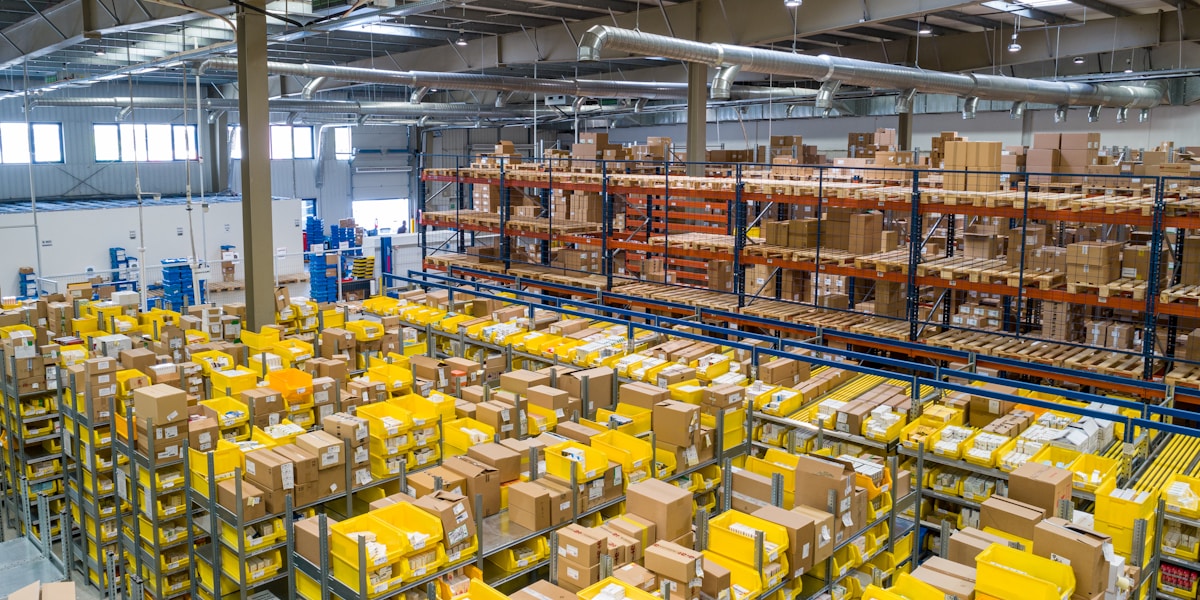
In the fast-paced world of 2025, small and medium businesses (SMBs) face immense pressure to streamline their operations and cut costs. One of the most complex areas is logistics, where challenges like inventory management, demand forecasting, and last-mile delivery inefficiencies are common due to volatile markets and rising costs. Enter AI-driven supply chain optimization, a powerful tool that promises to transform how SMBs tackle these challenges. From predictive analytics to real-time tracking, AI offers scalable solutions tailored for small businesses. In this guide, you'll discover actionable tips to leverage AI for optimizing your supply chain, enhancing accuracy, reducing costs, and improving customer satisfaction.
Key Takeaways
- Inventory Management: AI helps reduce inaccuracies by automating tracking and forecasting.
- Cost Reduction: Implementing AI can cut supply chain costs by up to 15%.
- Improved Forecasting: AI-driven tools enhance demand forecasting accuracy by 35%.
- Enhanced Customer Satisfaction: Faster delivery times, improved by 40%, lead to happier customers.
- SMB Scalability: AI solutions are tailored for SMB scalability and integration with existing systems.
Expert Tip
For SMBs aiming to improve logistics efficiency, start small. Begin by integrating AI tools that target specific pain points, such as inventory management. For example, tools like IBM Watson can reduce stockouts by 40%, as observed in a Midwest manufacturing SMB. Additionally, consider using AI for demand forecasting, which can improve accuracy by 35%, according to the Harvard Business Review. When selecting AI tools, prioritize those that offer seamless integration with your existing ERP systems to avoid disruptions in your operations.
Common Logistics Challenges Faced by SMBs in 2025
Inventory Management
Inventory inaccuracies are a significant challenge for SMBs, with 85% reporting it as a top concern in 2025. The repercussions of poor inventory management include overstocking, stockouts, and increased holding costs, which can severely impact cash flow. AI-driven inventory management tools can automate tracking, predict stock levels, and optimize reorder points. For example, predictive analytics can analyze patterns in sales data to forecast demand accurately, reducing the likelihood of stockouts and overstock situations.
Demand Forecasting
Demand forecasting is another critical area where SMBs struggle, especially given the unpredictable market conditions in 2025. Traditional forecasting methods often fall short due to their reliance on historical data, which may not account for sudden market shifts. AI brings a revolutionary approach by leveraging machine learning algorithms to analyze real-time data, thus enhancing forecasting accuracy by up to 35%, as noted by the Harvard Business Review. This improved accuracy enables SMBs to make informed decisions on inventory purchases, reducing waste and optimizing supply chain efficiency.
How AI Transforms Supply Chain Management for Small Businesses
Predictive Analytics
AI-driven predictive analytics allows SMBs to anticipate future trends and demands more accurately. These tools utilize vast amounts of data, including external factors such as market trends and internal data such as sales history, to provide actionable insights. By predicting demand fluctuations, SMBs can adjust their supply chain strategies proactively, ensuring they meet customer demands without overcommitting resources.
Real-Time Tracking and Automation
Real-time tracking and automation are game-changers in supply chain management. AI tools offer SMBs the ability to monitor shipments in real-time, ensuring transparency and reducing the chances of delays. Automation minimizes human error and streamlines operations, from order processing to delivery. For instance, a small e-commerce logistics firm in California used AI for route optimization, resulting in 25% cost savings and 30% faster deliveries, as reported by Supply Chain Dive.
Key Benefits of AI-Driven Optimization in Logistics
Cost Reduction
One of the primary benefits of AI in supply chain optimization is cost reduction. AI can reduce supply chain costs by up to 15%, according to McKinsey & Company. This reduction is achieved through efficient resource allocation, minimized waste, and improved operational efficiencies. By automating routine tasks and optimizing supply chain processes, SMBs can significantly lower their operational expenses.
Improved Accuracy and Speed
AI enhances accuracy in various logistics processes, including demand forecasting and inventory management. With AI, SMBs can achieve up to 40% faster delivery times, as noted by the IBM Institute for Business Value. Faster deliveries not only improve customer satisfaction but also enhance brand reputation and loyalty.
Enhanced Customer Satisfaction
AI-driven supply chain optimization leads to enhanced customer satisfaction by ensuring timely and accurate deliveries. AI tools help SMBs meet customer expectations by predicting demand accurately and optimizing delivery routes, reducing delays. This improvement in service quality fosters customer trust and long-term loyalty.
How to Implement AI Tools for Supply Chain Efficiency
Assessing Current Logistics Pain Points
The first step in implementing AI tools is to assess your current logistics pain points. Identify areas where inefficiencies exist, such as inventory management or delivery processes. Conduct a thorough analysis of your supply chain to pinpoint bottlenecks and areas for improvement.
Selecting the Right AI Tools
Once you've identified your pain points, the next step is selecting the right AI tools. Consider factors such as ease of use, integration capabilities, and cost. Cloud-based AI tools are ideal for SMBs due to their scalability and flexibility. Tools like IBM Watson Supply Chain, Oracle AI, and SAP Ariba offer robust solutions tailored for small businesses.
Integration with Existing Systems
Integration with existing ERP systems is crucial for a seamless transition to AI-driven supply chain management. Ensure that the AI tools you select can integrate with your current systems without causing operational disruptions. This integration helps maintain data consistency and allows for real-time insights across your supply chain.
Comparison of Top AI Platforms for SMB Supply Chain Optimization
IBM Watson Supply Chain
IBM Watson Supply Chain is renowned for its advanced predictive analytics capabilities. It offers a user-friendly interface and seamless integration with existing ERP systems. Pricing is competitive, making it accessible for SMBs looking to enhance their supply chain operations.
Oracle AI
Oracle AI provides comprehensive solutions for demand forecasting and inventory management. Its robust features include machine learning algorithms that enhance forecast accuracy and optimize supply chain processes. Oracle AI is known for its scalability, making it suitable for growing SMBs.
SAP Ariba
SAP Ariba is a cloud-based platform that offers end-to-end supply chain solutions. It excels in procurement and supplier management, providing SMBs with the tools needed to streamline their supply chain operations. SAP Ariba's integration capabilities and flexible pricing options make it a popular choice among SMBs.
Real-World Case Studies: AI Success in SMB Logistics
Midwest Manufacturing SMB
A Midwest manufacturing SMB implemented IBM Watson for inventory management, resulting in a 40% reduction in stockouts during peak seasons. This improvement allowed the company to meet customer demands more effectively, enhancing overall customer satisfaction.
European SMB Retailer
A European SMB retailer adopted Oracle AI for demand forecasting, achieving 50% better forecast accuracy. This improvement enabled the retailer to coordinate better with suppliers amid supply disruptions, ensuring a steady flow of products to meet customer demand.
Future Trends in AI for Supply Chain and Logistics
AI Integration with IoT
The future of supply chain optimization lies in the integration of AI with the Internet of Things (IoT). This combination allows for hyper-local optimization, providing real-time data on inventory levels, shipment status, and environmental conditions. IoT devices can communicate with AI systems to automate decision-making processes, enhancing supply chain efficiency.
Blockchain for Transparency
Blockchain technology is set to revolutionize supply chain transparency. By integrating AI with blockchain, SMBs can ensure data integrity and traceability, reducing the risk of fraud and errors. This transparency builds trust with customers and partners, fostering long-term relationships.
Generative AI for Scenario Planning
Generative AI is emerging as a powerful tool for scenario planning in logistics. It allows SMBs to simulate various supply chain scenarios, predicting potential challenges and identifying optimal solutions. This capability enables SMBs to make proactive decisions, minimizing risks and maximizing opportunities.
Pros and Cons
| Pros | Cons |
|---|---|
| ✅ Reduces supply chain costs by 15% | ❌ Initial implementation costs can be high |
| ✅ Improves demand forecasting accuracy by 35% | ❌ Requires data privacy measures |
| ✅ Enhances delivery speed by 40% | ❌ Integration with existing systems can be complex |
| ✅ Increases customer satisfaction | ❌ Continuous monitoring and updates needed |
| ✅ Scalable solutions for SMBs | ❌ May require employee training |
While AI offers significant benefits in supply chain optimization, SMBs must weigh these against potential drawbacks. Initial implementation costs and the complexity of integrating new systems can pose challenges. However, the long-term benefits of improved efficiency, cost savings, and customer satisfaction make AI a worthwhile investment.
Implementation Checklist
- Identify supply chain pain points and inefficiencies.
- Research and select AI tools that address specific challenges.
- Ensure chosen AI tools integrate with existing ERP systems.
- Train staff on the use of new AI tools and processes.
- Monitor AI tool performance and make necessary adjustments.
- Evaluate cost savings and operational improvements regularly.
- Stay updated on AI trends and advancements in logistics.
- Consider scalability options for future growth.
Frequently Asked Questions
Q1: What are the cost barriers for SMBs adopting AI-driven supply chain optimization?
A: While initial costs can be high, the long-term savings and efficiency gains often outweigh these expenses. Many AI tools offer scalable pricing models that cater to SMB budgets.
Q2: How does AI address data privacy concerns in supply chain management?
A: AI solutions incorporate robust security measures to protect sensitive data. Implementing data encryption and access controls helps ensure privacy compliance.
Q3: What is the expected ROI timeline for AI adoption in SMB supply chains?
A: ROI timelines vary, but many SMBs see positive returns within 12-18 months after implementation, driven by cost reductions and efficiency improvements.
Q4: Can AI tools be customized for specific SMB logistics needs?
A: Yes, many AI platforms offer customization options to address unique logistics challenges faced by SMBs, ensuring tailored solutions.
Q5: What are the integration challenges of AI with existing systems?
A: Integration can be complex, requiring careful planning and execution. Choosing AI tools compatible with current ERP systems can ease the transition.
Q6: How can SMBs stay updated on AI trends in supply chain management?
A: Regularly review industry publications and attend webinars or conferences on AI in logistics. Check out our \1 for more insights.
Sources & Further Reading
- AI-Powered Supply Chain Optimization for Small Businesses – An overview of AI's impact on SMB supply chains.
- AI and IoT Integration in SMB Supply Chains – Insights on how AI and IoT work together for logistics optimization.
- Real-World AI Applications in Small Business Logistics – Case studies of successful AI implementations.
- AI Adoption in Supply Chain Management Statistics – Data on AI adoption trends and statistics.
Conclusion
AI-driven supply chain optimization offers SMBs a pathway to overcoming logistics challenges in 2025. By implementing AI tools, businesses can reduce costs, improve accuracy, and enhance customer satisfaction. As technology continues to evolve, staying informed about AI trends and advancements is crucial. Explore our \1 for more growth insights. Embrace AI today and position your business for success in the dynamic world of logistics. The AskSMB Editorial team is here to support your journey.