AI Optimization Strategies for SMB Supply Chain Management
Discover how AI optimization strategies can transform SMB supply chain management. Learn about the benefits, technologies, and tools that drive efficiency and cost savings.
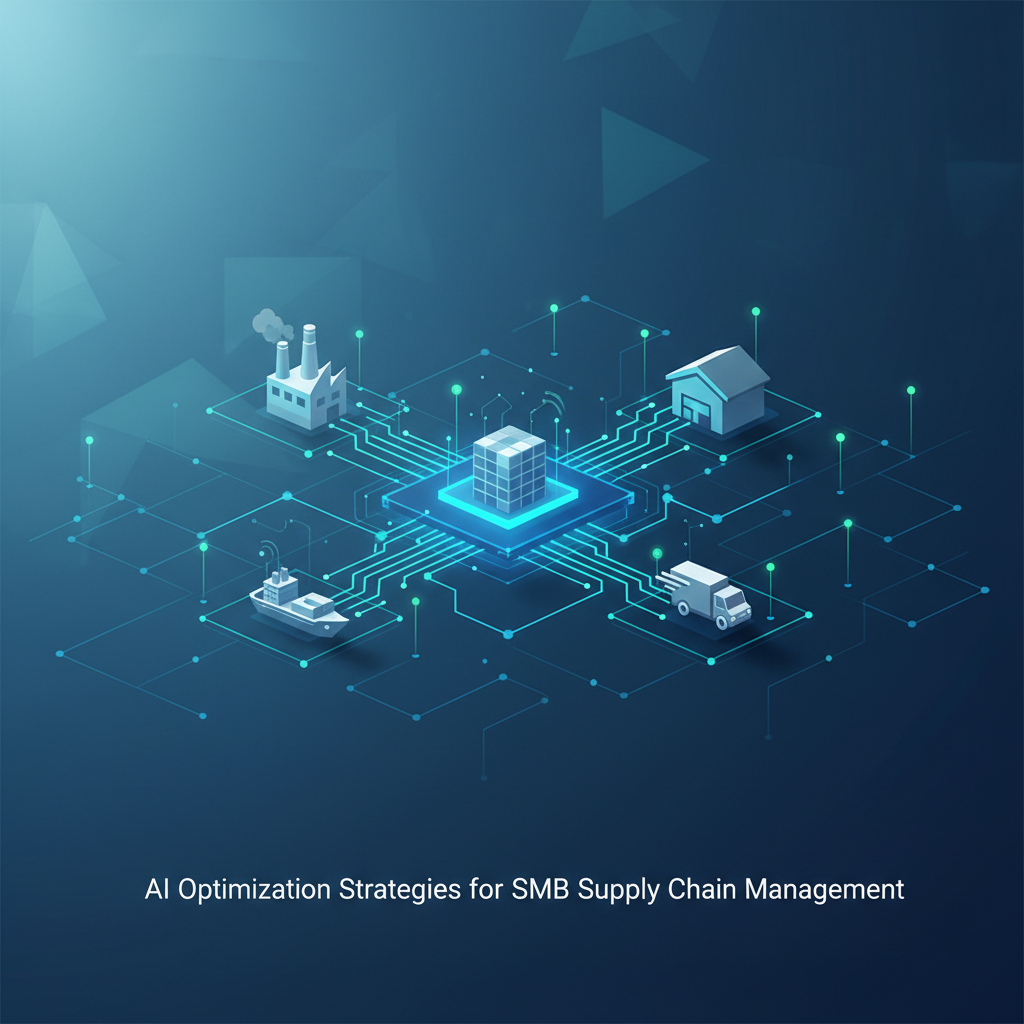
#AI#supply chain#small business#optimization#SMB#technology#efficiency
Key Takeaways
- 📌What Is AI Optimization in SMB Supply Chain Management?
- 📌Key Benefits of AI for Small-to-Medium Business Supply Chains
- 📌Essential AI Technologies for Supply Chain Efficiency
- 📌How to Implement AI Optimization Strategies in Your SMB Supply Chain
- 📌Comparison: Top AI Tools for SMB vs. Enterprise Supply Chain Management
Introduction

Running a small-to-medium business (SMB) often involves juggling multiple aspects of operations, with supply chain management being a critical component. Recent statistics show that AI can reduce supply chain costs by up to 15%, making it a compelling consideration for SMBs looking to streamline operations and improve profitability. For SMB owners, adopting AI optimization strategies for supply chain management can mean the difference between thriving in a competitive market or getting left behind. In this guide, we'll delve into how AI can transform your supply chain, from improving demand forecasting to enhancing logistics efficiency. By the end, you'll have a comprehensive understanding of how AI can be leveraged to not only save costs but also boost overall operational effectiveness, positioning your business for sustainable growth.
- AI optimization can reduce SMB supply chain costs by up to 15%.
- Predictive analytics and IoT are pivotal AI technologies for SMBs.
- Implementing AI begins with assessing current processes and training staff.
- SMBs can achieve a 20-30% efficiency gain through AI.
- Common challenges include high costs and data integration issues.
- Real-world cases demonstrate significant cost savings and efficiency boosts.
When implementing AI optimization strategies for SMB supply chain management, start small and scale gradually. Begin by identifying high-impact areas, such as inventory management or demand forecasting, where AI can offer immediate benefits. Investing in tools like IBM Watson for predictive analytics can significantly enhance decision-making capabilities. For instance, one SMB reported a 30% reduction in inventory costs by integrating AI-driven predictive analytics into their existing processes. Additionally, consider partnerships with AI vendors who offer customized solutions for SMBs, ensuring that the technology aligns with your specific operational needs and budget constraints. This approach not only minimizes risk but also maximizes the return on investment as you expand AI capabilities across your supply chain.
What Is AI Optimization in SMB Supply Chain Management?
AI optimization in SMB supply chain management involves leveraging advanced algorithms and machine learning to enhance various operational aspects such as forecasting, inventory control, and logistics efficiency. By integrating AI, SMBs can automate routine tasks, improve accuracy in demand predictions, and swiftly respond to market changes.
Enhancing Forecasting Accuracy
Forecasting is a fundamental component of supply chain management, and AI significantly improves its accuracy. Traditional forecasting methods often rely on historical data, which can be limiting, especially in volatile markets. AI technologies, such as predictive analytics, utilize vast amounts of data and sophisticated algorithms to predict future demand with up to 50% more accuracy, according to a study by Harvard Business Review. This enhancement allows SMBs to better align their inventory levels with actual market demand, reducing both excess stock and stockouts.
Streamlining Inventory Control
AI-driven inventory control systems help SMBs maintain optimal stock levels by providing real-time insights and automating replenishment processes. By integrating AI with existing Enterprise Resource Planning (ERP) systems, SMBs can achieve a 30% reduction in inventory costs, as evidenced by a case study involving a mid-sized retailer. These systems analyze sales patterns, lead times, and supplier performance to ensure that inventory levels are continuously optimized, thereby freeing up capital and reducing storage costs.
Key Benefits of AI for Small-to-Medium Business Supply Chains
AI offers numerous benefits for SMB supply chains, ranging from cost reductions to improved efficiency and agility.
Cost Reductions
One of the most compelling benefits of AI optimization in supply chain management is cost reduction. By automating routine tasks and improving process efficiencies, AI can help SMBs cut supply chain costs by up to 15%, as reported by McKinsey & Company. This includes savings in logistics, warehousing, and inventory management, which are significant expense areas for many SMBs.
Improved Agility and Responsiveness
AI equips SMBs with the tools needed to respond quickly to market changes or disruptions. By leveraging AI's real-time data processing capabilities, businesses can adjust their strategies almost instantaneously. For example, an SMB manufacturer that implemented AI-driven demand forecasting reported a 25% faster order fulfillment rate, enabling them to meet customer demands more effectively and maintain competitive advantage.
Essential AI Technologies for Supply Chain Efficiency
To fully harness the potential of AI in supply chain management, SMBs should consider technologies such as predictive analytics, IoT integration, and robotic process automation.
Predictive Analytics
Predictive analytics involves using historical data to predict future outcomes. In supply chain management, this means anticipating demand fluctuations, identifying potential supply chain disruptions, and optimizing procurement strategies. SMBs like those in the retail sector have seen significant improvements in demand forecasting accuracy by adopting AI-based predictive analytics solutions.
IoT Integration
The Internet of Things (IoT) plays a crucial role in supply chain optimization by providing real-time data from connected devices. For SMBs, integrating IoT sensors in logistics and transportation can lead to an 18% decrease in fuel consumption, as demonstrated by a logistics firm that adopted AI for route optimization. IoT provides the data backbone for AI algorithms, enabling more precise and timely decision-making.
How to Implement AI Optimization Strategies in Your SMB Supply Chain
Implementing AI in an SMB supply chain requires a strategic approach, beginning with a thorough assessment of current processes and identifying areas for improvement.
Assessing Current Processes
Before adopting AI, it's crucial to evaluate existing supply chain workflows and identify inefficiencies. This assessment helps in setting clear objectives for AI integration and determining which areas will benefit most from AI intervention. For instance, if stockouts are a frequent issue, focusing on AI-driven inventory management systems may be a priority.
Selecting Affordable AI Tools
SMBs should choose AI tools that offer scalability and affordability. Tools like Blue Yonder and IBM Watson provide cost-effective solutions tailored for SMBs. These tools are designed to integrate seamlessly with existing systems, ensuring a smooth transition and immediate impact on supply chain efficiency.
Training Staff for AI Adoption
The successful implementation of AI strategies also hinges on staff readiness and capability. Training programs should be instituted to familiarize employees with new tools and processes. This not only boosts confidence in using AI technologies but also ensures that staff can exploit the full potential of AI, thereby enhancing overall productivity.
Comparison: Top AI Tools for SMB vs. Enterprise Supply Chain Management
AI tools vary significantly between those designed for SMBs and those for large enterprises. Understanding these differences is crucial when selecting the right solution for your business.
SMB-Focused AI Tools
AI tools for SMBs, like IBM Watson and Blue Yonder, are designed to be user-friendly and cost-effective. They offer essential features such as predictive analytics and automated reporting at a fraction of the cost of enterprise solutions. These tools are scalable, allowing SMBs to expand their capabilities as their business grows.
Enterprise-Level AI Solutions
In contrast, enterprise-level solutions like SAP and Oracle provide comprehensive coverage of supply chain needs but come with higher costs and complexity. These solutions are ideal for large organizations with extensive supply chain networks and the resources to support complex AI implementations. However, for SMBs, the cost and scale of these solutions might be prohibitive.
Overcoming Common Challenges in AI Supply Chain Adoption for SMBs
Despite the benefits, SMBs may face challenges when adopting AI in their supply chains. Addressing these challenges is essential for successful implementation.
High Initial Costs
The initial investment required for AI tools can be a barrier for many SMBs. However, phased rollouts can mitigate this issue, allowing businesses to spread costs over time while gradually reaping the benefits of AI.
Data Quality Issues
AI's effectiveness depends on the quality of the data it processes. SMBs often struggle with data silos, which can impede AI's performance. Addressing data quality through improved data collection and management practices is crucial. Partnering with AI vendors that offer data cleansing services can also help ensure that data inputs are accurate and reliable.
Real-World Case Studies of AI Success in SMB Supply Chains
Real-world examples provide insight into how SMBs have successfully implemented AI to optimize their supply chains.
Retail Sector Case Study
A mid-sized retailer utilized AI to enhance inventory optimization, achieving a 30% reduction in inventory costs. By integrating predictive analytics with their existing ERP systems, they minimized stockouts and improved inventory turnover.
Manufacturing Sector Case Study
An SMB manufacturer implemented AI-driven demand forecasting, which markedly improved supplier coordination, especially during disruptions. This led to a 25% faster order fulfillment rate, demonstrating the significant impact AI can have on operational efficiency.
Logistics Sector Case Study
A logistics firm specializing in SMB services adopted AI for route optimization, leveraging real-time data from IoT sensors. This initiative resulted in an 18% decrease in fuel consumption and enhanced route efficiency, showcasing the tangible benefits of AI in logistics.
| Pros | Cons |
|---|---|
| ✅ Cost savings up to 15% | ❌ High initial investment costs |
| ✅ Improved forecasting accuracy | ❌ Data quality and integration challenges |
| ✅ Enhanced supply chain agility | ❌ Require staff training and adaptation |
| ✅ Real-time decision-making capabilities | ❌ Potential privacy and security concerns |
| ✅ Scalability of AI tools for SMBs | ❌ Complexity in tool selection and implementation |
Analyzing these pros and cons, it's clear that while AI offers substantial benefits, SMBs must carefully plan and execute their AI strategies to overcome potential obstacles and maximize the technology's potential.
- Evaluate Current Supply Chain Processes: Identify inefficiencies and prioritize areas for AI intervention.
- Select Scalable AI Tools: Choose tools like IBM Watson that suit your business size and budget.
- Develop a Phased Rollout Plan: Gradually integrate AI technologies to manage costs and ease transitions.
- Train Staff: Implement training programs to ensure employees are comfortable with new AI tools.
- Monitor Data Quality: Establish processes for data collection and management to ensure accuracy.
- Set Clear Objectives: Define what success looks like and how it will be measured.
- Partner with AI Vendors: Collaborate with vendors for support and customization of AI solutions.
- Regularly Review and Adjust: Continuously assess AI performance and make necessary adjustments.
Frequently Asked Questions
Q1: What are AI optimization strategies for SMB supply chain management?
A: AI optimization strategies involve using technology like predictive analytics and IoT to enhance supply chain efficiency, reduce costs, and improve demand forecasting for SMBs.
Q2: How can AI reduce supply chain costs for SMBs?
A: AI can automate tasks, improve demand predictions, and optimize logistics, which collectively can reduce supply chain costs by up to 15% for SMBs.
Q3: What are the challenges SMBs face in adopting AI?
A: Common challenges include high initial costs, data quality issues, and integration hurdles, which can be mitigated through phased rollouts and strategic partnerships.
Q4: Which AI tools are best for SMB supply chains?
A: Cost-effective tools like IBM Watson and Blue Yonder are well-suited for SMBs, offering scalable solutions tailored to small business needs.
Q5: How does AI improve demand forecasting accuracy?
A: AI leverages predictive analytics to process large datasets, improving demand forecasting accuracy by up to 50% compared to traditional methods.
Q6: What steps should SMBs take first in AI adoption?
A: SMBs should start by evaluating current processes, selecting affordable AI tools, and training staff. Consider reading our Beginner Guide to Data Analytics for Small Business Decisions for more insights.
- AI in the Supply Chain: How to Unlock Value - A comprehensive guide on leveraging AI for supply chain improvements.
- Using AI to Optimize Supply Chain Management - Detailed case studies illustrating AI's impact on supply chains.
- AI Technologies for Efficient Supply Chains - Insights into AI technologies driving supply chain efficiency.
- AI in Supply Chain Management - Statistics & Facts - Statistical overview of AI's role in modern supply chains.
- FAQs on AI Optimization for Supply Chains - Frequently asked questions about AI in supply chains.
Conclusion
Incorporating AI optimization strategies in SMB supply chain management can lead to significant cost reductions and efficiency improvements. By leveraging technologies like predictive analytics and IoT, SMBs can enhance their demand forecasting accuracy, streamline inventory management, and respond swiftly to market changes. As demonstrated by real-world case studies, the benefits of AI are substantial, with businesses achieving up to a 30% reduction in inventory costs and a 25% increase in order fulfillment speed. To maximize these benefits, SMBs should adopt a phased implementation approach, focusing on scalable AI solutions and ensuring thorough staff training. As you consider integrating AI into your supply chain, explore our How to Use AI Tools to Improve Small Business Productivity for additional strategies and insights. By staying informed and proactive, your SMB can harness the full potential of AI, positioning itself for long-term success in a competitive marketplace.
Written by AskSMB Editorial – SMB Operations
📊 Relevant Calculators
Use these free tools to put this advice into action: