The Ultimate How-To Guide for Data-Driven Personalization in SMB Online Stores
Discover how data-driven personalization can transform your SMB online store by boosting engagement and conversion rates through tailored customer experiences.
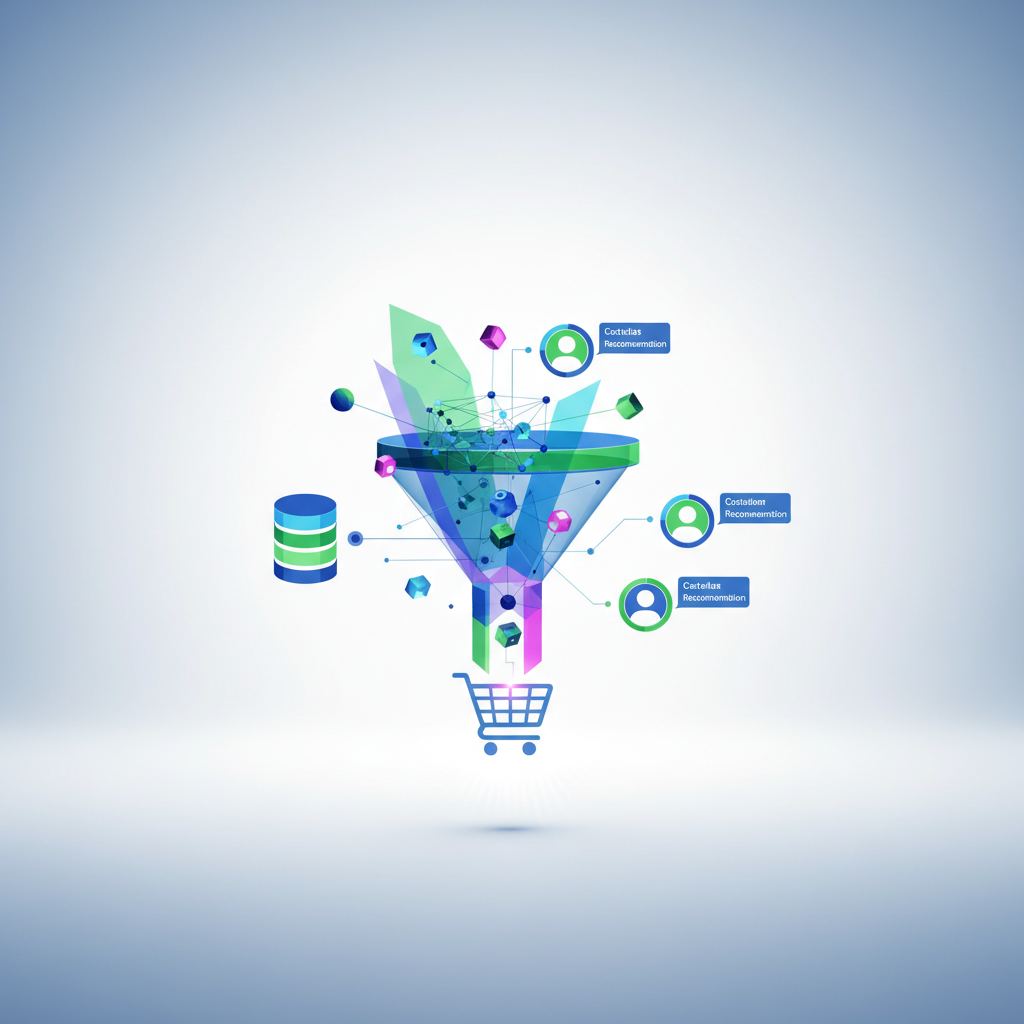
#data-driven personalization#SMB online stores#e-commerce strategies#customer engagement#conversion optimization#personalization tools#data analytics#small business growth
Key Takeaways
- 👥Data-driven personalization tailors customer experiences using data from various sources.
- 📈It helps SMBs compete with larger businesses by boosting engagement and loyalty.
- 📈Benefits include higher conversion rates, increased sales, and reduced cart abandonment.
- 📊Crucial data sources include website analytics, CRM systems, and social media interactions.
- 👥Implement personalization by collecting data, segmenting customers, and testing features.

In the competitive world of e-commerce, small and medium-sized businesses (SMBs) face the challenge of standing out against larger competitors. Did you know that 80% of consumers are more likely to purchase from brands offering personalized experiences? This statistic highlights the power of data-driven personalization in SMB online stores. By leveraging customer data such as browsing history and purchase patterns, SMBs can tailor their online shopping experiences, increasing engagement and loyalty without requiring massive budgets. In this guide, we'll explore how you can harness the potential of data-driven personalization to elevate your SMB's online presence. You'll learn about the key benefits, essential data sources, step-by-step implementation, top tools, best practices, and more.
Key Takeaways
- Data-driven personalization tailors customer experiences using data from various sources.
- It helps SMBs compete with larger businesses by boosting engagement and loyalty.
- Benefits include higher conversion rates, increased sales, and reduced cart abandonment.
- Crucial data sources include website analytics, CRM systems, and social media interactions.
- Implement personalization by collecting data, segmenting customers, and testing features.
Expert Tip
When implementing data-driven personalization, start by analyzing your existing customer data. Use tools like Google Analytics to segment your audience based on behavior and demographics. For example, if you notice that a significant portion of your traffic comes from mobile users, prioritize mobile-optimized personalization features. Additionally, consider using A/B testing to refine your strategies. This approach allows you to compare different personalization tactics and measure their impact on key metrics such as conversion rates and average order value. Remember, successful personalization is an ongoing process that involves continuous testing and optimization. By staying attentive to your customers' preferences and adapting your strategies accordingly, you can create a more engaging and satisfying shopping experience.
What Is Data-Driven Personalization and Why It Matters for SMBs
Data-driven personalization involves using customer data to create tailored shopping experiences. For SMBs, this approach can be a game-changer, allowing them to compete with larger companies by offering personalized interactions that resonate with customers.
Why Personalization Levels the Playing Field
One of the most significant advantages of data-driven personalization is its ability to level the playing field for SMBs. Large retailers often have extensive resources to invest in sophisticated marketing strategies. However, with the right data-driven approach, SMBs can offer equally compelling personalized experiences. By understanding customer preferences and behaviors, SMBs can deliver targeted product recommendations, personalized emails, and customized marketing campaigns. This not only enhances customer engagement but also fosters brand loyalty, resulting in repeat purchases and long-term relationships.
How Personalization Impacts Customer Loyalty
Personalization has a profound impact on customer loyalty. According to research, 75% of shoppers expect personalized experiences, and when their expectations are met, they are more likely to remain loyal to the brand. SMBs can leverage data-driven personalization to create memorable interactions that resonate with customers on a personal level. For instance, by using customers' purchase history and preferences, SMBs can send personalized offers and recommendations that align with individual interests. This approach not only increases the likelihood of repeat purchases but also encourages customers to become brand advocates, sharing their positive experiences with others.
Key Benefits of Personalization in E-Commerce for Small Businesses
Personalization offers a range of benefits for SMBs operating in the e-commerce space. From increased conversion rates to improved customer retention, the advantages are substantial.
Boosting Conversion Rates and Sales
Personalization has a direct impact on conversion rates and sales. By tailoring product recommendations and marketing messages to individual preferences, SMBs can create a more relevant and engaging shopping experience. Studies show that businesses implementing data-driven personalization can achieve 5-15 times ROI. This is because personalized experiences resonate with customers, increasing the likelihood of conversions. Additionally, personalized product recommendations drive a significant portion of revenue for e-commerce giants like Amazon, highlighting the potential for SMBs to achieve similar success.
Reducing Cart Abandonment
Cart abandonment is a common challenge for e-commerce businesses, but personalization can help mitigate this issue. By analyzing customer behavior, SMBs can identify the reasons behind cart abandonment and implement strategies to address them. For example, personalized email reminders and targeted incentives can encourage customers to complete their purchases. A beauty brand using Shopify's personalization apps saw a 25% reduction in cart abandonment through targeted recommendations. This demonstrates how personalization can effectively recover potentially lost sales and improve overall conversion rates.
Essential Data Sources for Personalizing Online Stores
To implement data-driven personalization effectively, SMBs need to leverage various data sources. These sources provide valuable insights into customer behavior and preferences.
First-Party Data from Website Analytics
First-party data collected from website analytics is a treasure trove of information for personalization. Tools like Google Analytics allow SMBs to track user behavior, including page views, time spent on site, and conversion paths. By analyzing this data, SMBs can gain insights into customer preferences and tailor their online experiences accordingly. For instance, if a significant portion of traffic comes from mobile devices, SMBs can prioritize mobile-friendly personalization features to enhance the user experience.
CRM Systems and Email Interactions
CRM systems and email interactions are also valuable sources of data for personalization. By analyzing customer interactions with emails, SMBs can identify preferences and interests. This information can be used to send personalized email campaigns that resonate with individual customers. Additionally, CRM systems provide a comprehensive view of customer history, allowing SMBs to tailor their marketing efforts based on past purchases and interactions. A small fashion retailer integrated Klaviyo for email personalization, resulting in a 30% increase in repeat purchase rate.
How-To: Step-by-Step Guide to Implementing Data-Driven Personalization
Implementing data-driven personalization involves a series of strategic steps. By following a structured approach, SMBs can successfully integrate personalization into their e-commerce platforms.
Step 1: Collect and Clean Data
The first step in implementing personalization is collecting and cleaning data. SMBs should gather data from various sources, including website analytics, CRM systems, and social media platforms. It's essential to ensure data accuracy and consistency by removing duplicates and errors. Clean data provides a solid foundation for effective personalization strategies.
Step 2: Segment Customers
Once the data is clean, the next step is to segment customers. Segmentation involves dividing the customer base into distinct groups based on shared characteristics or behaviors. Common segmentation criteria include demographics, purchase history, and engagement levels. By segmenting customers, SMBs can deliver targeted and relevant experiences to each group, enhancing the overall effectiveness of personalization efforts.
Comparison: Top Tools and Platforms for SMB Personalization
Selecting the right tools and platforms is crucial for successful personalization. Here, we compare some of the top options available for SMBs.
Shopify Apps vs. BigCommerce Integrations
Shopify and BigCommerce are popular e-commerce platforms that offer a range of personalization tools. Shopify apps like Klaviyo provide email personalization capabilities, while BigCommerce integrations offer advanced product recommendation features. Both platforms offer unique advantages, and the choice ultimately depends on the specific needs and goals of the SMB.
Dynamic Yield vs. Nosto
Dynamic Yield and Nosto are powerful platforms for personalization. Dynamic Yield excels in delivering personalized product recommendations and experiences, while Nosto offers a user-friendly interface and robust analytics capabilities. SMBs should consider their budget, technical expertise, and desired features when choosing between these platforms.
Best Practices and Common Pitfalls to Avoid
Implementing personalization requires careful consideration of best practices and potential pitfalls.
Best Practices for Effective Personalization
To ensure successful personalization, SMBs should focus on key best practices. First, ensure data privacy compliance by adhering to regulations like GDPR and CCPA. Second, start small with A/B testing to refine strategies before scaling. Third, prioritize real-time personalization to deliver relevant experiences in the moment. Finally, avoid over-segmentation, as it can lead to overly complex strategies that confuse customers.
Common Pitfalls and How to Avoid Them
Several common pitfalls can undermine personalization efforts. Poor data quality can lead to irrelevant recommendations, so SMBs should prioritize data accuracy and cleanliness. Additionally, neglecting mobile optimization can result in a subpar experience for mobile users. Finally, it's crucial to use ethical AI practices to avoid unintended biases and ensure fair and transparent personalization.
Measuring Success: KPIs for Personalization Strategies
To assess the effectiveness of personalization strategies, SMBs should track key performance indicators (KPIs).
Personalization ROI and Conversion Uplift
Personalization ROI is a critical metric that measures the return on investment for personalization efforts. SMBs should calculate the increase in revenue generated by personalized experiences compared to the cost of implementing personalization. Additionally, tracking conversion uplift helps SMBs understand how personalization impacts conversion rates and sales.
Customer Lifetime Value and Net Promoter Score
Customer lifetime value (CLV) and Net Promoter Score (NPS) are valuable metrics for measuring customer loyalty and satisfaction. Personalization can enhance CLV by increasing the likelihood of repeat purchases, while a high NPS indicates that customers are satisfied and likely to recommend the brand to others.
Pros and Cons
| Pros | Cons |
|---|---|
| ✅ Enhanced customer engagement | ❌ Requires investment in tools |
| ✅ Higher conversion rates | ❌ Data privacy concerns |
| ✅ Increased sales and revenue | ❌ Complexity of implementation |
| ✅ Improved customer loyalty | ❌ Potential for irrelevant recommendations |
| ✅ Competitive advantage | ❌ Risk of over-segmentation |
Overall, the benefits of data-driven personalization outweigh the drawbacks. SMBs can significantly enhance customer engagement and sales by implementing effective personalization strategies. However, it's essential to address potential challenges, such as data privacy concerns and the complexity of implementation, to maximize the benefits.
Implementation Checklist
- Collect data from website analytics, CRM systems, and social media platforms.
- Clean and organize data to ensure accuracy and consistency.
- Segment customers based on demographics, behavior, and preferences.
- Choose the right personalization tools and platforms for your SMB.
- Implement A/B testing to refine personalization strategies.
- Ensure data privacy compliance with GDPR and CCPA regulations.
- Prioritize mobile optimization for enhanced user experiences.
- Regularly monitor and analyze KPIs to measure the success of personalization efforts.
Frequently Asked Questions
Q1: What is data-driven personalization in SMB online stores?
A: Data-driven personalization in SMB online stores involves using customer data to tailor shopping experiences. This includes analyzing browsing history, purchase patterns, and preferences to deliver personalized product recommendations and marketing messages.
Q2: How much does data-driven personalization cost for SMBs?
A: The cost of data-driven personalization varies based on the tools and platforms used. Many affordable options are available, such as Shopify apps and BigCommerce integrations, which cater to different budget levels.
Q3: Is data-driven personalization difficult to implement?
A: While implementing data-driven personalization requires careful planning and strategy, many platforms offer user-friendly tools that simplify the process. SMBs can start small and gradually scale their efforts as they gain more experience.
Q4: What legal considerations should SMBs be aware of?
A: SMBs must adhere to data privacy regulations such as GDPR and CCPA. This involves obtaining customer consent for data collection and ensuring transparent data usage practices.
Q5: How can SMBs scale from basic to advanced personalization?
A: SMBs can scale personalization by gradually expanding their data sources, refining segmentation strategies, and integrating more advanced tools. Regular testing and analysis help identify opportunities for improvement.
Q6: How do I measure the success of personalization strategies? (CTA)
A: Success can be measured using KPIs like personalization ROI, conversion uplift, and customer lifetime value. Regularly analyzing these metrics helps SMBs optimize their strategies. For more insights, check out our Beginner Guide to Data Analytics for Small Business Decisions.
Sources & Further Reading
- The value of getting personalization right—or wrong—is multiplying - A comprehensive study on the impact of personalization on e-commerce.
- The Future of Personalization in E-commerce - Insights into emerging trends and consumer expectations.
- E-commerce Personalization: A Complete Guide - A detailed guide on implementing personalization strategies.
- How Small Businesses Can Use Data Analytics for Personalization - Tips for leveraging data analytics in SMBs.
- State of Personalization 2023 - A report on the current state and future of personalization in e-commerce.
- Case Studies in SMB Personalization - Real-world examples of successful personalization implementations.
Conclusion
In conclusion, data-driven personalization is a powerful strategy for SMB online stores looking to enhance customer engagement and boost sales. By leveraging customer data, SMBs can deliver personalized experiences that resonate with their audience, leading to increased conversion rates and improved customer loyalty. As you embark on your personalization journey, remember to start small, test your strategies, and continuously refine your approach. By doing so, you can create a competitive advantage in the crowded e-commerce landscape. For more insights and strategies, explore our AI Tools for Small Business Financial Forecasting in 2025. Author: AskSMB Editorial – SMB Operations