Personalization in SMB Online Stores: A Data-Driven How-To Guide
Explore how personalization in SMB online stores can enhance customer experiences and drive sales. This guide offers insights into using data effectively.
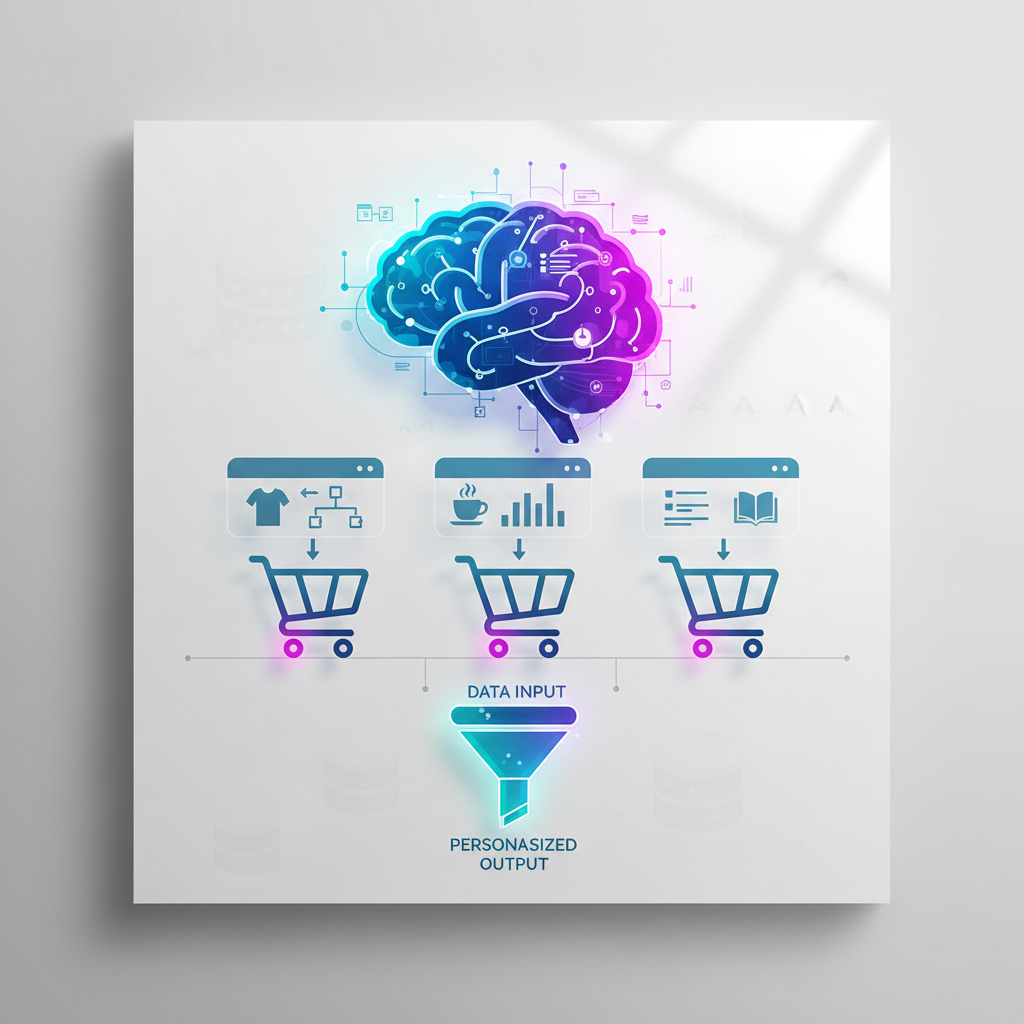
#SMB#Personalization#Data Insights#E-Commerce#Customer Experience
Key Takeaways
- 👥Personalization in SMB online stores involves tailoring the shopping experience using customer data to recommend products and customize content.
- 📊Data insights from browsing history, purchase patterns, and demographics are essential for effective personalization.
- 📊Behavioral, transactional, and demographic data are key insights used in e-commerce personalization.
- 👥Implementation steps include data collection, customer segmentation, and integrating AI-driven recommendations.
- 🔧Tools like Klaviyo, Nosto, and Dynamic Yield offer features for SMB personalization, varying in pricing and integration ease.
Introduction
In the competitive world of e-commerce, small to medium-sized businesses (SMBs) are constantly seeking ways to differentiate themselves and build lasting customer relationships. One effective strategy is personalization, which tailors the shopping experience to individual customers using data insights. According to recent studies, personalization can boost e-commerce revenue by up to 15%, a compelling statistic for SMB owners looking to enhance their online stores. In this comprehensive how-to guide for personalization using data insights in SMB online stores, we will explore the key methods and tools that can help you transform your e-commerce business into a customer-centric marketplace.
Related: Cost-Saving Strategies for SMB Financial Resilience in 2024
Whether you're just starting or looking to refine your personalization strategies, this guide will provide you with the insights needed to harness the power of data. You'll learn about the types of data crucial for personalization, how to implement effective strategies, and which tools can support your efforts. By the end of this article, you'll have a clear roadmap to improving customer engagement and boosting sales through targeted, data-driven personalization strategies.
Key Takeaways
- Personalization in SMB online stores involves tailoring the shopping experience using customer data to recommend products and customize content.
- Data insights from browsing history, purchase patterns, and demographics are essential for effective personalization.
- Behavioral, transactional, and demographic data are key insights used in e-commerce personalization.
- Implementation steps include data collection, customer segmentation, and integrating AI-driven recommendations.
- Tools like Klaviyo, Nosto, and Dynamic Yield offer features for SMB personalization, varying in pricing and integration ease.
- Best practices involve privacy compliance, A/B testing, and combining first-party data with AI for scalable personalization.
Expert Tip
When implementing personalization in your SMB online store, start small and focus on one or two areas where personalization can have the most impact. For example, consider enhancing your email marketing strategy by segmenting your audience based on past purchase behavior. Use tools like Klaviyo, which allows you to create personalized email campaigns that have been shown to improve transaction rates by up to 6x. By focusing on email personalization first, you can see quick wins in engagement and sales, which can then be reinvested into further personalization efforts across your website and other channels.
Additionally, leverage A/B testing to understand what works best for your audience. For instance, test different product recommendations on your homepage to see which types lead to higher click-through rates and conversions. This iterative approach not only optimizes your personalization strategy but also ensures that you're making data-driven decisions that resonate with your customers, ultimately driving more sales and improving customer loyalty.
What is Personalization in SMB Online Stores?
Personalization in SMB online stores is the process of tailoring the shopping experience to meet the unique needs and preferences of individual customers. By leveraging data insights, businesses can create a more engaging and relevant shopping experience that aligns with each customer's interests and behaviors. This approach not only enhances the customer experience but also drives higher conversion rates and customer retention.
Types of Personalization
Product Recommendations: One of the most common forms of personalization is product recommendations. By analyzing a customer's browsing history and previous purchases, SMBs can suggest products that the customer is likely to be interested in. This increases the likelihood of additional purchases and enhances the overall shopping experience.
Customized Content: Personalization also extends to the content displayed on a website. This can include personalized landing pages, targeted banners, and customized email content. By using data insights, SMBs can ensure that each customer sees content that is relevant to their interests and needs.
Dynamic Pricing: Some SMBs use data insights to implement dynamic pricing strategies. This involves adjusting prices based on factors such as demand, customer behavior, and competitive pricing. By offering personalized pricing, SMBs can increase sales and maximize profits.
Benefits of Personalization
Personalization offers numerous benefits for SMBs, including increased customer satisfaction, higher conversion rates, and improved customer loyalty. According to a report by Statista, 78% of consumers are more likely to repurchase from brands offering personalized experiences. By utilizing data insights to deliver tailored experiences, SMBs can differentiate themselves from competitors and build lasting relationships with their customers.
Why Data Insights Are Essential for SMB Personalization
Data insights are the foundation of effective personalization strategies in SMB online stores. By collecting and analyzing data, businesses can gain a deeper understanding of their customers' preferences and behaviors. This allows them to deliver personalized experiences that resonate with customers and drive sales.
Sources of Data Insights
Browsing History: By tracking a customer's browsing history, SMBs can gain insights into their interests and preferences. This data can be used to suggest relevant products and content, enhancing the customer experience and increasing the likelihood of a purchase.
Purchase Patterns: Analyzing past purchase data allows SMBs to identify trends and patterns in customer behavior. This information can be used to tailor marketing strategies and offer personalized promotions that encourage repeat purchases.
Demographic Data: Understanding the demographics of your customer base is crucial for effective personalization. By analyzing data such as age, gender, and location, SMBs can create targeted marketing campaigns that resonate with specific customer segments.
Importance of Data Insights
Data insights provide SMBs with the information needed to make informed decisions about their personalization strategies. By understanding customer behavior and preferences, businesses can create personalized experiences that drive engagement and sales. Moreover, data insights allow SMBs to measure the effectiveness of their personalization efforts and make adjustments as needed to optimize results.
Key Types of Data Insights for E-Commerce Personalization
E-commerce personalization relies on various types of data insights to create tailored experiences for customers. By understanding the different types of data available, SMBs can implement effective personalization strategies that drive engagement and sales.
Behavioral Data
Behavioral data refers to the actions and interactions a customer has with your website. This includes clicks, page views, time spent on pages, and more. By analyzing this data, SMBs can gain insights into a customer's interests and preferences, allowing them to deliver personalized content and product recommendations.
For example, if a customer frequently views products in a specific category, SMBs can use this behavioral data to suggest similar products or offer targeted promotions. This not only enhances the customer experience but also increases the likelihood of a purchase.
Transactional Data
Transactional data includes information about a customer's past purchases, such as the products bought, purchase frequency, and average order value. This data is valuable for identifying trends and patterns in customer behavior, allowing SMBs to create personalized marketing strategies.
By analyzing transactional data, SMBs can offer personalized promotions to encourage repeat purchases. For instance, if a customer frequently buys a particular type of product, businesses can offer discounts or bundle deals on related items to incentivize additional purchases.
Demographic Data
Demographic data provides insights into the characteristics of your customer base, such as age, gender, location, and income level. This information is crucial for creating targeted marketing campaigns that resonate with specific customer segments.
By understanding the demographics of their customers, SMBs can tailor their marketing messages and product offerings to meet the unique needs and preferences of different customer groups. This not only improves customer engagement but also increases the effectiveness of marketing efforts.
How to Implement Personalization Using Data Insights in Your SMB Store
Implementing personalization in your SMB online store involves several steps, from data collection to customer segmentation and integrating personalized experiences. By following these steps, you can create a tailored shopping experience that drives engagement and sales.
Step 1: Data Collection
The first step in implementing personalization is collecting data from various sources. This includes browsing history, purchase patterns, and demographic information. By using analytics tools like Google Analytics, SMBs can gather valuable data insights that inform their personalization strategies.
Step 2: Customer Segmentation
Once data is collected, the next step is to segment customers based on their behavior and preferences. This involves grouping customers with similar characteristics, such as purchase history or browsing behavior, into segments. By doing so, SMBs can create targeted marketing campaigns and personalized experiences that resonate with each customer segment.
Step 3: Integrate AI-Driven Recommendations
AI-driven recommendations are a powerful tool for delivering personalized experiences in SMB online stores. By integrating AI technologies into platforms like Shopify or WooCommerce, businesses can automate product recommendations and personalized content delivery.
Tools like Nosto and Dynamic Yield offer AI-driven solutions that analyze customer data to provide personalized recommendations. These tools can be easily integrated into your e-commerce platform, allowing you to deliver tailored experiences that drive engagement and sales.
Step 4: Test and Optimize
Personalization is an ongoing process that requires continuous testing and optimization. By using A/B testing, SMBs can experiment with different personalization strategies to determine what works best for their audience. This iterative approach ensures that personalization efforts are data-driven and result in improved customer engagement and sales.
Comparing Top Personalization Tools for SMB Online Stores
There are several tools available to help SMBs implement personalization in their online stores. Each tool offers unique features and benefits, making it important to choose the right one for your business needs.
Klaviyo
Klaviyo is a popular choice for SMBs looking to personalize their email marketing efforts. It allows businesses to create personalized email campaigns based on customer behavior and preferences. With Klaviyo, SMBs can segment their audience and deliver targeted messages that drive engagement and sales.
Nosto
Nosto offers AI-driven personalization solutions that help SMBs deliver tailored experiences across their websites. By analyzing customer data, Nosto provides personalized product recommendations, dynamic content delivery, and targeted promotions. This tool is easy to integrate with platforms like Shopify and WooCommerce, making it a great choice for SMBs looking to enhance their personalization efforts.
Dynamic Yield
Related: Comprehensive Compliance Guides for AI Tools in Healthcare SMBs
Dynamic Yield is another powerful tool for personalization in SMB online stores. It offers a range of features, including AI-driven product recommendations, personalized content delivery, and dynamic pricing. By leveraging customer data, Dynamic Yield helps SMBs create personalized experiences that drive engagement and sales.
Best Practices for Data-Driven Personalization in SMBs
When implementing data-driven personalization in your SMB online store, it's important to follow best practices to ensure success. These practices will help you deliver personalized experiences that resonate with customers and drive sales.
Privacy Compliance
Privacy compliance is crucial when collecting and using customer data for personalization. SMBs must adhere to regulations like GDPR and ensure that customer data is collected and used ethically. By prioritizing privacy compliance, SMBs can build trust with their customers and avoid potential legal issues.
Start Small with A/B Testing
When implementing personalization, start small and focus on one or two areas where personalization can have the most impact. Use A/B testing to experiment with different strategies and determine what works best for your audience. This iterative approach ensures that personalization efforts are data-driven and result in improved customer engagement and sales.
Combine First-Party Data with AI
Combining first-party data with AI technologies is a powerful approach to personalization. By leveraging AI-driven solutions, SMBs can automate product recommendations and personalized content delivery, enhancing the customer experience and driving sales.
Pros and Cons
| Pros | Cons |
|---|---|
| ✅ Boosts customer engagement and sales | ❌ Requires significant data management |
| ✅ Enhances customer experience | ❌ Potential privacy concerns |
| ✅ Increases customer loyalty | ❌ Can be costly to implement |
| ✅ Provides competitive advantage | ❌ May require technical expertise |
| ✅ Enables targeted marketing strategies | ❌ Ongoing optimization needed |
While personalization offers numerous benefits, it's important to consider the potential challenges. Effective data management and privacy compliance are crucial to success, and SMBs must be prepared to invest time and resources into their personalization efforts.
Implementation Checklist
- Collect data from multiple sources, including browsing history, purchase patterns, and demographics.
- Use analytics tools like Google Analytics to gather data insights.
- Segment customers based on their behavior and preferences.
- Integrate AI-driven recommendations into your e-commerce platform.
- Use tools like Klaviyo, Nosto, or Dynamic Yield for personalization.
- Ensure privacy compliance with regulations like GDPR.
- Start small and focus on one or two areas for personalization.
- Conduct A/B testing to optimize personalization strategies.
- Continuously analyze data to measure the effectiveness of personalization efforts.
- Make data-driven adjustments to improve customer engagement and sales.
Frequently Asked Questions
Q1: What is the role of data insights in personalization for SMB online stores?
A: Data insights are crucial for effective personalization in SMB online stores. They provide valuable information about customer behavior and preferences, allowing businesses to tailor experiences and recommendations that resonate with individual customers.
Related: Sustainable Practices for Small Retail Post-Holiday Sales 2025: A Complete Guide
Q2: How can SMBs collect data for personalization?
A: SMBs can collect data through various methods, including tracking browsing history, analyzing purchase patterns, and gathering demographic information. Tools like Google Analytics can help SMBs gather and analyze these data insights.
Q3: What are the best tools for implementing personalization in SMB online stores?
A: Popular tools for personalization in SMB online stores include Klaviyo for email marketing, Nosto for AI-driven recommendations, and Dynamic Yield for personalized content delivery. These tools offer features that help SMBs deliver tailored experiences.
Q4: How can SMBs ensure privacy compliance when using customer data for personalization?
A: SMBs can ensure privacy compliance by adhering to regulations like GDPR, obtaining customer consent for data collection, and implementing data security measures. Prioritizing privacy builds trust with customers and avoids legal issues.
Q5: What metrics should SMBs track to measure the success of personalization efforts?
A: SMBs should track metrics such as conversion rates, average order value, and customer lifetime value to measure the success of personalization efforts. These metrics provide insights into the effectiveness of personalization strategies.
Q6: How can SMBs start personalizing their online stores on a budget?
A: SMBs can start personalizing their online stores by focusing on email personalization, which offers quick wins with minimal investment. Tools like Klaviyo provide affordable solutions for SMBs to create personalized email campaigns that drive engagement and sales.
Sources & Further Reading
- The Value of Getting Personalization Right in E-Commerce
- Ecommerce Personalization: A Guide for Small Businesses
- How Data Analytics Drives Personalization in SMBs
- Key Data Types for E-Commerce Personalization
- Implementing Personalization Tools for SMB Online Stores
Conclusion
Incorporating personalization into your SMB online store is a powerful strategy for enhancing customer engagement and driving sales. By leveraging data insights, you can create tailored experiences that resonate with individual customers, leading to increased conversion rates and customer loyalty. Remember to start small and focus on areas where personalization can have the most impact, such as email marketing.
Related: How to Integrate AI Chatbots into SMB CRM Systems for Better Efficiency
To maximize the effectiveness of your personalization efforts, use tools like Klaviyo and Nosto, and ensure privacy compliance by adhering to regulations like GDPR. Continuously analyze data to measure the success of your strategies and make data-driven adjustments to optimize results.
For more information on growing your e-commerce business, check out our guide on Maximizing Small E-Commerce Growth with Data-Driven Decisions. By following these best practices, you can transform your online store into a customer-centric marketplace that stands out in the competitive e-commerce landscape.
Written by AskSMB Editorial – SMB Operations