Unlocking Cost-Effective SMB Logistics Through AI-Driven Supply Chain Optimizations
Discover how AI-driven supply chain optimizations can transform SMB logistics by reducing costs, improving forecasting accuracy, and enhancing delivery speeds.
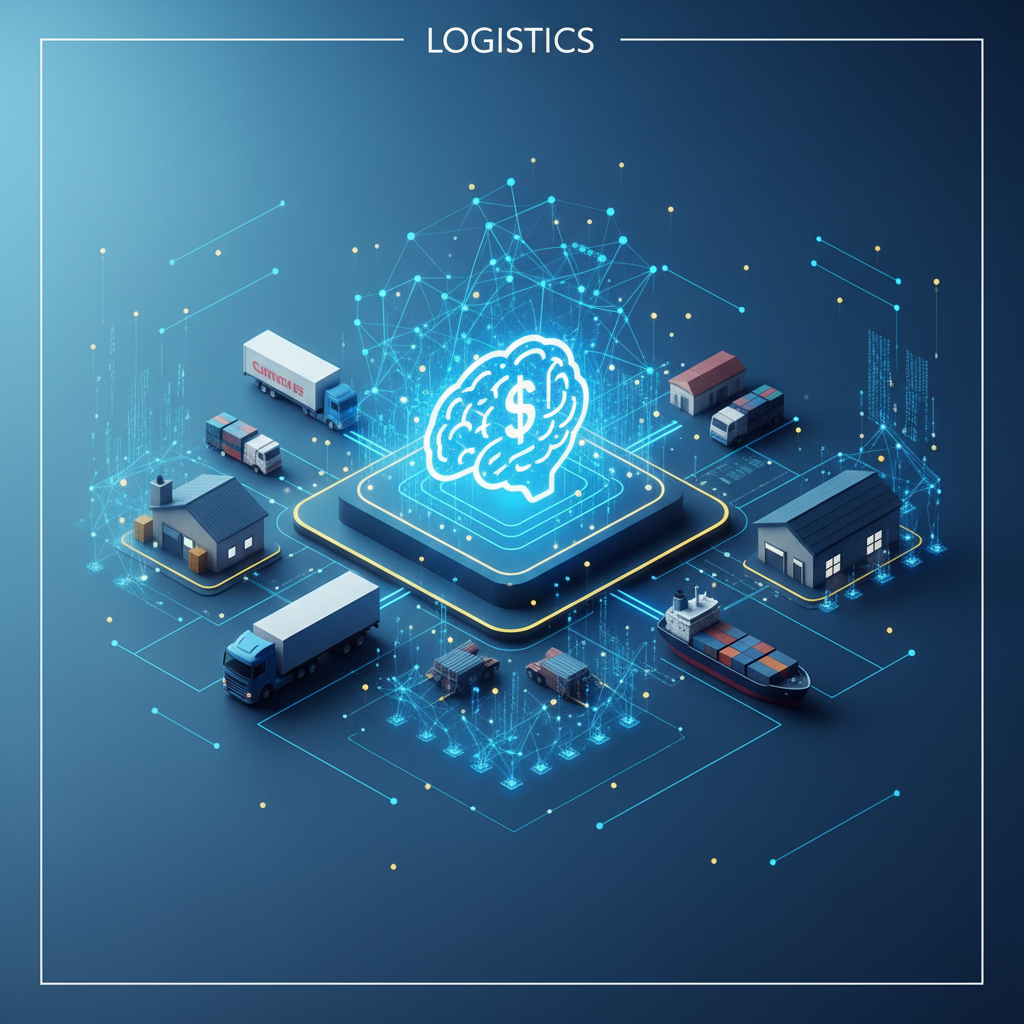
#AI#Supply Chain#Logistics#SMB#Cost Efficiency#Automation#Predictive Analytics
Key Takeaways
- 📌What Is AI-Driven Supply Chain Optimization?
- 📌Key Benefits of AI for Cost-Effective SMB Logistics
- 📌Essential AI Technologies Transforming Supply Chains
- 📌How to Implement AI-Driven Supply Chain Optimizations in Your SMB
- 📌AI vs. Traditional Methods: A Comparison for Logistics Efficiency
Unlocking Cost-Effective SMB Logistics Through AI-Driven Supply Chain Optimizations
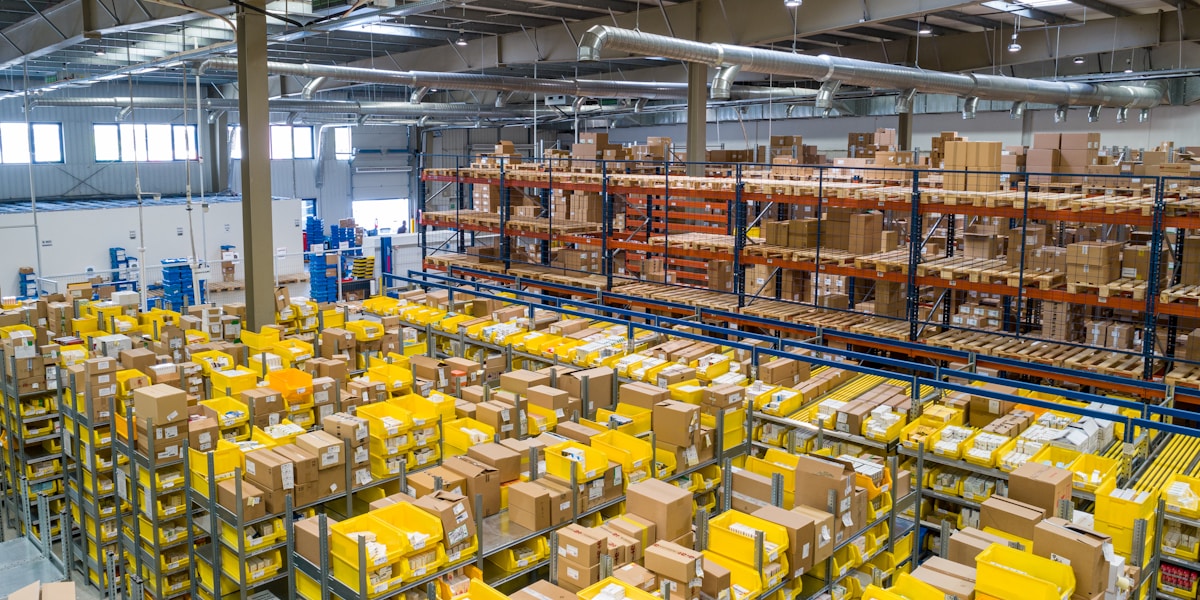
According to recent studies, AI-driven supply chain optimizations can reduce these costs by up to 15%. This is not just a futuristic concept but a present-day reality that is transforming how SMBs operate. For business owners looking to enhance efficiency and save on logistics, understanding and implementing AI tools is crucial. - AI-driven supply chain optimization enhances forecasting, inventory management, and route planning for SMBs.
- Implementing AI can reduce logistics costs by 15-20% and improve demand forecasting accuracy by 30-50%.
- Essential AI technologies include demand forecasting tools, IoT for real-time tracking, and blockchain for transparency.
- SMBs can start with cloud-based AI platforms and integrate them with existing ERP systems.
- AI improves inventory turnover efficiency by 40% and reduces stockouts by 50%.
- Real-world SMBs report 25% cost savings through AI route optimization.
To maximize the benefits of AI in supply chain management, SMBs should start by identifying specific logistics challenges they face. For instance, if you struggle with frequent delivery delays, AI-powered route optimization tools can be a game-changer. These tools analyze traffic patterns and weather conditions to suggest the most efficient delivery routes. Companies using such tools have reported reducing delivery times by up to 30%. Another area to focus on is demand forecasting. AI-based predictive analytics can help you better understand customer demands and adjust your inventory accordingly, minimizing overstock and stockouts. By starting small and scaling AI solutions gradually, SMBs can manage costs while reaping significant benefits.
What Is AI-Driven Supply Chain Optimization?
AI-driven supply chain optimization refers to the use of artificial intelligence technologies to enhance various aspects of the supply chain, such as forecasting, inventory management, and logistics. These technologies include machine learning, predictive analytics, and automation, which work together to provide SMBs with the tools they need to become more efficient and cost-effective.
Machine Learning and Its Role
Machine learning is a crucial component of AI-driven supply chain optimization. It involves algorithms that learn from historical data to make predictions about future events. For SMBs, this means better demand forecasting, which can lead to more accurate inventory management. For example, a small retailer using machine learning algorithms can predict which products will be in high demand during certain seasons, allowing them to stock appropriately and avoid both overstock and stockouts. This capability not only saves money but also ensures customer satisfaction, as products are more likely to be available when needed.
Automation in Logistics
Automation is another key element of AI-driven supply chain optimization. By automating repetitive tasks such as order processing and inventory management, SMBs can significantly reduce human error and labor costs. For instance, automated systems can update inventory levels in real-time, ensuring that stock information is always accurate. This is particularly beneficial for e-commerce businesses, where speed and accuracy of information are critical. Automation also extends to logistics, where AI can optimize delivery routes, reducing fuel costs and improving delivery times.
Key Benefits of AI for Cost-Effective SMB Logistics
AI technologies have proven to be transformative for SMB logistics, offering a range of benefits from cost savings to enhanced efficiency.
Cost Reductions and Improved Efficiency
One of the primary benefits of AI in supply chain management is cost reduction. According to a report by McKinsey & Company, SMBs that implement AI can reduce logistics costs by up to 15%. This is achieved through better route planning, inventory management, and demand forecasting. AI systems can analyze vast amounts of data quickly, identifying patterns and trends that human analysts might miss. As a result, businesses can make informed decisions that optimize their supply chain operations.
Enhanced Demand Forecasting
AI-driven demand forecasting tools provide SMBs with precise predictions about future sales trends. This is crucial for maintaining optimal inventory levels and avoiding stockouts or overstock situations. A study by Deloitte Insights found that 85% of SMBs reported improved forecasting accuracy after adopting AI technologies. This improvement not only enhances customer satisfaction by ensuring products are available when needed, but it also reduces waste and associated costs.
Essential AI Technologies Transforming Supply Chains
Several AI technologies are at the forefront of transforming supply chain management for SMBs, enabling them to achieve cost-effective logistics operations.
AI-Powered Demand Forecasting Tools
AI-powered demand forecasting tools use historical sales data, market trends, and external factors such as weather patterns to predict future product demand. These tools provide SMBs with valuable insights into customer behavior, enabling them to adjust their inventory levels accordingly. By implementing these tools, businesses can avoid overstocking or understocking, which can lead to significant cost savings.
IoT Integration for Real-Time Tracking
The Internet of Things (IoT) plays a crucial role in AI-driven supply chain optimization by providing real-time tracking of goods. IoT devices, such as sensors and RFID tags, collect data on the location and condition of products as they move through the supply chain. This real-time data allows SMBs to monitor their shipments closely, ensuring timely deliveries and reducing the risk of lost or damaged goods. By integrating IoT with AI analytics, businesses can gain deeper insights into their logistics operations and make more informed decisions.
How to Implement AI-Driven Supply Chain Optimizations in Your SMB
Implementing AI-driven supply chain optimizations in an SMB involves several steps. Here’s a guide to help you get started.
Start with Cloud-Based AI Platforms
For SMBs looking to implement AI technologies, starting with a cloud-based AI platform is a practical approach. These platforms offer scalability and flexibility, allowing businesses to access powerful AI tools without significant upfront investment. By using cloud-based solutions, SMBs can experiment with different AI applications and scale their usage as needed. This approach minimizes the risk associated with large capital expenditures and allows businesses to pay only for the services they use.
Integrate with Existing ERP Systems
Integrating AI technologies with existing Enterprise Resource Planning (ERP) systems is a crucial step in optimizing supply chain operations. ERP systems provide a central hub for managing business processes, and by integrating AI, SMBs can enhance their capabilities. For example, AI can analyze data from ERP systems to identify inefficiencies and suggest improvements. This integration ensures that all business functions work seamlessly together, improving overall efficiency and reducing costs.
AI vs. Traditional Methods: A Comparison for Logistics Efficiency
AI-driven methods offer several advantages over traditional supply chain management techniques, particularly in terms of efficiency and cost-effectiveness.
Comparison of Inventory Management
Traditional inventory management relies heavily on manual processes and historical sales data to make decisions. This approach can be time-consuming and prone to errors, leading to issues such as overstocking or stockouts. In contrast, AI-driven inventory management uses real-time data and predictive analytics to optimize inventory levels. This approach not only reduces the risk of errors but also ensures that inventory is always aligned with current demand, improving efficiency by up to 40%.
Efficiency in Route Planning
Route planning is another area where AI outperforms traditional methods. Traditional route planning often involves static maps and manual input, which can result in inefficient routes and increased fuel costs. AI-driven route planning, on the other hand, uses real-time data such as traffic patterns and weather conditions to optimize delivery routes. This dynamic approach not only reduces fuel consumption but also shortens delivery times, enhancing overall logistics efficiency. Studies show that AI can reduce delivery times by 20-30%, significantly improving customer satisfaction.
Real-World Case Studies of AI in SMB Supply Chains
Several SMBs have successfully implemented AI-driven supply chain optimizations, achieving significant cost savings and efficiency improvements.
E-Commerce SMB and Route Optimization
A mid-sized e-commerce SMB implemented AI-powered route optimization to enhance their delivery operations. By integrating AI with their ERP system, they were able to analyze real-time data on traffic and weather conditions, allowing them to choose the most efficient delivery routes. As a result, the company reported a 25% reduction in logistics costs and 40% faster deliveries. This case demonstrates the potential of AI to transform logistics operations, providing SMBs with a competitive edge in the market.
Manufacturing Firm and Real-Time Inventory Tracking
A small manufacturing firm adopted AI-powered IoT devices for real-time inventory tracking. By using sensors to monitor inventory levels and the condition of products, the company was able to overcome seasonal demand fluctuations. This implementation led to a 35% improvement in inventory accuracy and 18% cost savings. The firm also reported enhanced customer satisfaction due to more reliable product availability.
Overcoming Challenges in AI Adoption for Logistics
While AI-driven supply chain optimizations offer numerous benefits, SMBs may face certain challenges in adoption. Here are some common challenges and ways to overcome them.
High Initial Costs and Scalable SaaS Solutions
One of the main barriers to AI adoption is the high initial cost of implementation. However, SMBs can mitigate this challenge by opting for scalable Software as a Service (SaaS) solutions. These solutions offer flexible pricing models, allowing businesses to pay for only the services they need. By starting with a basic package and gradually scaling up, SMBs can manage costs while still reaping the benefits of AI technologies.
Data Privacy Concerns
Data privacy is another concern for SMBs adopting AI-driven supply chain optimizations. To address this issue, businesses should implement robust data protection measures and ensure compliance with relevant regulations. This includes encrypting sensitive data, conducting regular security audits, and educating employees on data privacy best practices.
| Pros | Cons |
|---|---|
| ✅ Cost reduction by up to 20% | ❌ High initial implementation costs |
| ✅ Improved demand forecasting accuracy | ❌ Data privacy concerns |
| ✅ Enhanced delivery efficiency | ❌ Integration complexities with existing systems |
| ✅ Real-time inventory management | ❌ Need for ongoing training and support |
| ✅ Competitive advantage in the market | ❌ Potential for job displacement due to automation |
While AI-driven supply chain optimizations offer significant advantages, SMBs need to weigh these against potential drawbacks. By carefully considering each aspect and starting with a phased implementation, businesses can maximize benefits while minimizing risks.
- Identify Key Logistics Challenges: Determine specific areas in your supply chain that need improvement.
- Select Appropriate AI Tools: Choose AI solutions that address your identified challenges.
- Start with Cloud-Based Platforms: Opt for scalable cloud-based AI platforms to minimize upfront costs.
- Integrate with ERP Systems: Ensure seamless integration of AI tools with existing business systems.
- Train Staff on AI Tools: Provide comprehensive training to employees on using new AI technologies.
- Monitor and Evaluate Performance: Regularly assess the performance of AI tools and make necessary adjustments.
- Ensure Data Privacy Compliance: Implement robust data protection measures to ensure compliance with regulations.
- Scale AI Solutions Gradually: Start small and scale up AI applications as needed.
Frequently Asked Questions
Q1: What are AI-driven supply chain optimizations for cost-effective SMB logistics?
A: AI-driven supply chain optimizations involve using AI technologies like machine learning and predictive analytics to enhance logistics operations. These optimizations help SMBs reduce costs, improve demand forecasting, and increase delivery efficiency.
Q2: How quickly can SMBs expect a return on investment (ROI) from AI implementations?
A: SMBs can expect an ROI from AI implementations within 6-12 months. This timeline can vary based on the complexity of the AI solutions and the scale of the business.
Q3: Are AI-driven solutions compatible with existing legacy systems?
A: Yes, many AI-driven solutions are designed to integrate with existing legacy systems. However, some custom configurations may be required to ensure seamless integration.
Q4: What are the ethical considerations for using AI in logistics?
A: Ethical considerations include ensuring data privacy, avoiding biases in AI algorithms, and addressing potential job displacement. SMBs should implement ethical guidelines and best practices for AI use.
Q5: How can SMBs overcome integration complexities when adopting AI?
A: To overcome integration complexities, SMBs should work with experienced AI vendors, conduct thorough testing, and allocate resources for employee training and support.
Q6: What are the benefits of AI over traditional supply chain methods?
A: AI offers several benefits over traditional methods, including improved efficiency, cost savings, and enhanced accuracy in demand forecasting. SMBs looking to stay competitive should consider adopting AI-driven solutions.
- AI-Powered Supply Chains: IBM Report - Insights on AI's impact on supply chains.
- Predictive Analytics in SMB Supply Chains - Analysis of predictive analytics tools for SMBs.
- AI in Supply Chain Management - Statistics & Facts - Comprehensive statistics and facts on AI in supply chains.
- Essential AI Technologies for Supply Chains - Overview of key AI technologies transforming supply chains.
📊 Relevant Financial Calculators
Maximize your financial planning with these free tools:
- Budget Calculator - Plan your business expenses and track spending
- Break-Even Calculator - Determine when your business becomes profitable
- ROI Calculator - Calculate return on investment for projects
- Profit Margin Calculator - Optimize your pricing strategy
Conclusion
As SMBs navigate the challenges of logistics management, AI-driven supply chain optimizations offer a path to cost-effective operations. By enhancing forecasting accuracy, improving inventory management, and optimizing delivery routes, AI provides SMBs with a competitive edge. The key to success lies in starting small, selecting the right AI tools, and gradually integrating them into existing systems. With a strategic approach, SMBs can unlock significant cost savings and efficiency gains, positioning themselves for long-term success in a competitive market. ---
Authored by AskSMB Editorial – SMB Operations